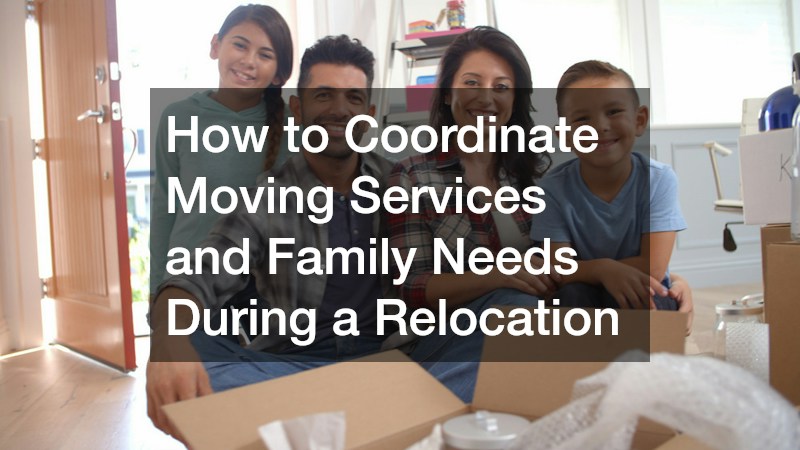
A family move involves far more than loading boxes onto a truck. Parents may need to coordinate transportation, school enrollment, medical care, activities, vehicle preparation, and temporary services while also keeping children comfortable through a major change. The process becomes even more involved when the relocation crosses state lines or requires several days of travel.
Breaking the move into stages can make the transition easier to manage. Some services are useful before moving day, while others become important during travel or once the family reaches its new community. Planning early gives households time to compare options, organize paperwork, and avoid making rushed decisions. It can also help children adjust by giving them clear expectations about what is changing and what routines will remain familiar. From choosing movers to finding schools, camps, pediatric care, and community activities, families can use a structured plan to keep the relocation moving forward.
Choose Moving Support That Fits the Relocation
One of the first decisions is how much professional help the household needs. Families making a major relocation may compare long distance movers based on scheduling, pricing, insurance options, and the services included in each estimate. It is important to understand whether belongings will travel directly to the destination or share space with other shipments, because that can affect delivery timing.
Some households prefer full service packing moving because it reduces the amount of physical work required before moving day. A crew may pack household items, label boxes, disassemble furniture, load the truck, transport belongings, and help with unloading. This option can be especially helpful when parents are balancing work, school schedules, or limited time before the move.
Families should also consider whether a company provides clear communication and appropriate equipment. Choosing a safe mover means looking beyond convenience and asking how the company handles fragile items, heavy furniture, stairs, narrow hallways, and unexpected delays.
For shorter relocations, local moving companies may offer hourly labor, partial packing, loading assistance, or small-truck transportation. Comparing several providers can help families choose the level of service that best fits the move without paying for help they do not need.
Create a checklist of questions before contacting providers. Comparing answers side by side can reveal differences in scheduling, cancellation policies, payment expectations, packing responsibilities, and communication procedures before signing agreements.

Prepare Children for School Changes
School planning can become one of the most important parts of a family relocation. Parents should begin researching schools before the move whenever possible, especially if registration deadlines, testing, or document requirements could affect enrollment.
Families considering a private school program should review curriculum, class size, transportation, tuition, extracurricular opportunities, and admissions timelines. School tours, virtual meetings, or conversations with administrators can provide a clearer sense of what the environment is like and how a child may adjust.
Public school enrollment may require proof of residence, immunization records, transcripts, identification, and other documents. Keeping these records separate from packed household belongings can prevent unnecessary delays after arrival.
Parents can also make the transition easier by talking with children about what to expect. Younger children may want to see pictures of the new school, while older students may benefit from learning about clubs, sports, or academic programs before the first day.
If the move happens during summer, families may have additional time to explore neighborhoods and establish routines before school begins. A thoughtful transition plan can help children feel more prepared and give parents time to address questions before the new academic year starts.
Parents may also ask teachers which records could help the next school understand academic progress. Samples of completed work or recent evaluations can provide useful context during placement discussions later.
Find Activities That Help Children Build Connections
Moving away from familiar friends and routines can be difficult for children, especially when the relocation happens during a school break. Community activities can provide opportunities to meet peers and become comfortable in the new area before classes begin.
Local summer camps may offer sports, arts, science, outdoor recreation, or general day programs. Families can look for options that match a child’s interests rather than choosing activities solely based on convenience. A familiar hobby can give children something enjoyable to focus on while they adjust to unfamiliar surroundings.
Some households may also explore church youth activities after settling into the community. These programs can include service projects, social gatherings, music, sports, study groups, or seasonal events. Families can review schedules and program descriptions to decide whether the activities align with their preferences.
Libraries, recreation centers, museums, and parks departments may offer additional programs for children and teenagers. Parents do not need to fill every day with scheduled activities, but having one or two regular commitments can create structure.
New friendships often take time. Giving children opportunities to participate without pressuring them to immediately feel at home can make the transition more comfortable and help the new community gradually become familiar.
Families can explore activities together by reviewing calendars and letting children identify a few appealing options. Giving them some choice may make participation feel less like another relocation obligation afterward.

Arrange Pediatric Care Before It Is Needed
Medical care is another service families should research early. Waiting until a child becomes sick to find a provider can add stress during an already busy transition.
Parents can begin by identifying local pediatric centers near the new home and checking which providers accept their insurance. It may also be useful to ask whether new-patient appointments are available and whether the practice offers after-hours advice, urgent visits, or connections to nearby hospitals.
Medical records should be transferred or requested before the move when possible. Families may need vaccination records, medication lists, specialist notes, allergy information, or copies of recent test results. Keeping digital and paper copies of important records can make registration easier.
Children who take prescription medications may need refills before traveling, particularly if the move will take several days. Parents should also keep medications, insurance cards, and basic first-aid supplies accessible instead of packing them with household items.
Families with children who see specialists may need additional planning. Establishing care can take time, so early research may help reduce gaps between appointments. Once a pediatric provider is selected, adding the office location, phone number, and pharmacy information to the family’s contacts can make future care easier to coordinate.
Parents should also locate the urgent care center and hospital before an emergency occurs. Saving addresses and directions can be useful when internet access is limited or time matters most.
Prepare Vehicles for the Trip
When families drive to a new home, vehicle preparation becomes part of the moving plan. A long trip can place additional demand on tires, brakes, fluids, batteries, and cooling systems, so basic maintenance should be completed before departure.
Families carrying belongings in a pickup may use truck bed covers to protect cargo from weather, road debris, and casual visibility. Items should still be secured properly so they do not shift while the vehicle is moving. Important documents, electronics, and valuables are generally better kept inside the passenger compartment when space allows.
Before leaving, drivers should check tire pressure, fluid levels, lights, windshield wipers, and emergency supplies. Chargers, water, snacks, medications, and weather-appropriate clothing should remain easy to reach.
Families traveling with children may also want to plan rest stops in advance. Long stretches in the vehicle can be tiring, and scheduled breaks give everyone time to stretch, eat, and reset.
Vehicle preparation should include a backup plan as well. Keeping roadside assistance details, insurance information, and emergency contacts available can reduce confusion if a mechanical problem interrupts the trip.
Families should avoid overloading vehicles simply to reduce the number of trips. Keeping visibility clear and staying within manufacturer weight limits can make travel safer and reduce unnecessary vehicle strain.

Plan for Vehicle Problems and Heavy Transport Needs
Not every vehicle involved in a move will complete the trip without difficulty. Breakdowns, trailers, oversized vehicles, or equipment transport can create situations that standard roadside assistance may not be equipped to handle.
Heavy duty towing services can be useful when the vehicle involved is larger than a typical passenger car or when specialized equipment is needed. Families moving with recreational vehicles, large trailers, commercial vehicles, or heavily loaded trucks should know what type of towing support may be available along the route.
Before traveling, it can be helpful to review towing coverage and understand which services are included through insurance, roadside assistance, or separate memberships. Some plans have limits based on distance, vehicle type, or towing destination.
Drivers should avoid waiting for an emergency to locate important information. Saving the contact details for roadside support and understanding how to describe the vehicle can make communication easier if assistance is needed.
If a breakdown occurs, safety should come first. Move the vehicle away from traffic when possible, use hazard lights, and follow local guidance about remaining inside or outside the vehicle. Families traveling with children should keep everyone together and away from active traffic while waiting for help.
For vehicles towing trailers, families should confirm hitch ratings, tire condition, lighting connections, and load distribution before departure. Careful preparation can reduce handling problems during highway travel and sudden stops.
Organize the First Days in the New Home
The first few days after arrival can feel chaotic if essential items are buried in boxes. Families can reduce that stress by packing a separate set of belongings for immediate use.
Each person may need clothing, toiletries, medications, chargers, bedding, and basic personal items. A separate kitchen box can include plates, cups, utensils, paper towels, snacks, and a few cooking essentials. Children may also appreciate having favorite toys, books, or comfort items available right away.
Furniture placement should happen before extensive unpacking whenever possible. Once large items are in position, boxes can be moved directly into the correct rooms. Labels that identify both the room and contents make this process easier.
The first week is also a good time to confirm school routes, medical offices, grocery stores, pharmacies, and nearby services. Families may discover that certain errands take longer than expected in an unfamiliar area, so allowing extra time can reduce frustration.
Instead of trying to unpack the entire home immediately, households can prioritize the rooms that support daily routines. Bedrooms, bathrooms, and the kitchen usually come first, while decorations and long-term storage areas can wait.
Families can also create one clearly labeled box with basic tools, trash bags, cleaning supplies, toilet paper, and light bulbs. These simple items often become unexpectedly important during initial setup.

Build New Routines After the Move
A move is not finished when the last box is unloaded. Families still need time to establish routines, learn the area, and create a sense of normalcy.
Parents can begin by keeping familiar habits wherever possible. Consistent mealtimes, bedtime routines, weekend traditions, and regular family activities can give children stability while other parts of life are changing.
This is also a good time to revisit the resources researched before the move. School programs, local summer camps, church youth activities, and community events can help family members become more connected to the area. Parents may also want to update emergency contacts and confirm that local pediatric centers have received the necessary medical records.
Moving services may still be useful after arrival. Local moving companies can sometimes assist with furniture rearrangement, storage transfers, or unloading items that arrived separately. If full service packing moving was used, families should review boxes and furniture for damage and follow the company’s claims process when necessary.
A successful family relocation depends on preparation across many areas, not just transportation. Coordinating long distance movers, a safe mover, schools, medical care, activities, vehicles, and emergency support creates a more organized transition. With practical planning before, during, and after the move, families can spend less time reacting to unexpected needs and more time becoming comfortable in their new home and community.
Exploring the neighborhood together can also help everyone become familiar with parks, stores, schools, and gathering spaces. Small routines, such as a weekly walk, can gradually create familiarity after relocation.