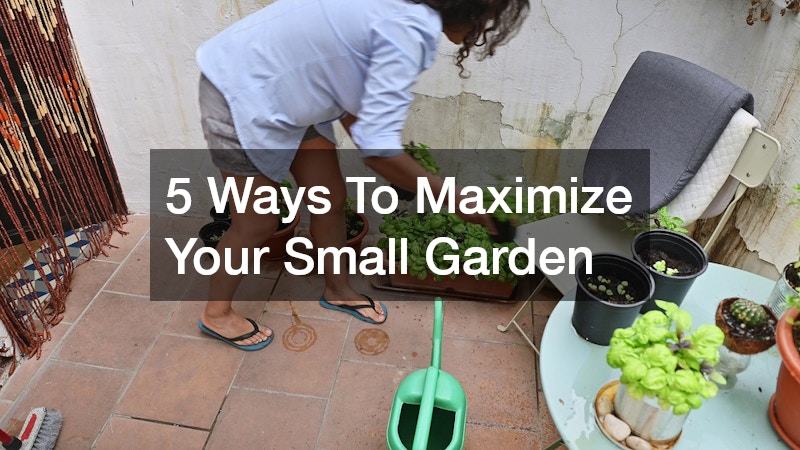
Creating a lush and functional garden in a limited space can be challenging, but it’s certainly achievable with a few strategic approaches. Here we explore how to make the most out of a small garden, turning it into a green oasis. By employing efficient gardening techniques, you can maximize space, maintain aesthetic appeal, and ensure sustainability. Small gardens need not be restrictive; instead, they present unique opportunities for creativity and innovation.
With a little planning and consideration, even the smallest patch can become a delightful retreat that evokes peace and vibrancy.
How can I use vertical space effectively in a small garden?
Vertical gardening is a game-changer for maximizing limited garden spaces. By utilizing vertical planters, you can significantly increase your planting area without needing extra ground space. Trellises are perfect for supporting climbing plants like vines, adding both height and texture to your garden. Hanging baskets are another excellent way to utilize overhead space, bringing plants to eye level and making them accessible. These methods not only expand your planting options but also add layers to the garden’s visual interest, transforming small spaces into lush landscapes.
Implementing structures like pergolas can further amplify vertical gardening benefits. Pergolas can support a variety of climbing plants, creating shaded canopies that add a refreshing touch to your garden. Moreover, vertical gardens can serve as living walls, not only maximizing planting areas but also providing privacy screens. They are ideal for growing a range of herbs, flowers, and vegetables, offering both aesthetic and functional advantages. Whether using recycled materials or commercially available systems, vertical gardens are an eco-friendly way to enhance biodiversity and garden productivity.
What are the best plants for small gardens?
When selecting plants for small gardens, it’s crucial to choose species that are compact yet versatile in their growth habits. Dwarf varieties, such as miniature roses and lavender, offer vibrant colors without overwhelming the space. Herbs like basil, thyme, and sage are perfect for small areas, providing fresh aromatics and pungeant flavors. Groundcovers like creeping thyme or sedum can fill spaces beautifully, adding texture while preventing weed growth. Choosing plants with multi-season interest can keep the garden engaging throughout the year, providing ongoing visual appeal and practical use.
In small gardens, the adaptability of plants to varying conditions is a key consideration. Succulents and cacti are particularly suited for limited and sunny areas, due to their low water needs and sculptural forms. Shade-tolerant plants like hostas or ferns thrive in less sunny spots, adding lush greenery to any shady corner. Consider plants with contrasting foliage colors and textures to create visually striking combinations. By choosing plants that have natural resistance to pests and diseases, maintenance can be reduced, making gardening less labor-intensive. Selecting the best plants for small gardens ensures a thriving and sustainable green space that requires minimal upkeep.
How do I manage and enhance soil quality in limited space?
Soil health is fundamental to the success of any garden, and it becomes even more critical in limited spaces where plants compete for resources. One of the easiest ways to enhance soil quality is through composting, which adds organic material and beneficial microorganisms to the soil. This can be done on a small scale even within limited garden spaces, using kitchen scraps and garden waste to create rich, nourishing compost. Implementing raised beds improves drainage and allows for the control of soil compositions according to plant needs. Ensuring that the soil is well-aerated will help roots develop and grow efficiently, leading to more robust plants.
Mulching is another crucial technique for improving soil quality and conserving moisture. Organic mulches, such as straw or wood chips, break down over time, enriching the soil while also suppressing weeds. Using organic fertilizers, like bone meal or fish emulsion, replenishes essential nutrients, fostering the vigorous growth of diverse plant types. Soil testing is beneficial to understand the precise nutrient levels and pH balance of your garden soil, ensuring you can remedy deficiencies promptly. Consistently monitoring and nurturing soil health ensures the long-term sustainability and productivity of your small garden.
How can I incorporate multifunctional elements in a small garden?
Incorporating multifunctional elements in a small garden maximizes both the utility and aesthetic appeal of the space. Furniture pieces with built-in planters or storage can serve multiple purposes, optimizing the functional use of the garden. A bench with built-in planters for flowers or herbs not only saves space but also provides a seamless integration of decor and functionality. Folding chairs and tables are perfect for small gardens, offering flexibility to alter the setup according to need. Using garden benches with hidden storage allows for clutter-free pathways, maintaining the garden’s visual openness and tranquility.
Adding water features with multiple functions, like fountains that also serve as bird baths, can enhance the garden’s ambiance. Such features not only add to the environmental engagement but also attract biodiversity, enriching the small garden’s ecosystem. Multifunctional lighting, such as solar-powered fairy lights, can both illuminate pathways at night and create an enchanting atmosphere. Consider using mirrors to reflect light and create the illusion of more space. By thoughtfully incorporating multifunctional elements, the garden becomes a versatile space for relaxation, gatherings, and enjoyment.
What are some design tips for making a small garden appear larger?
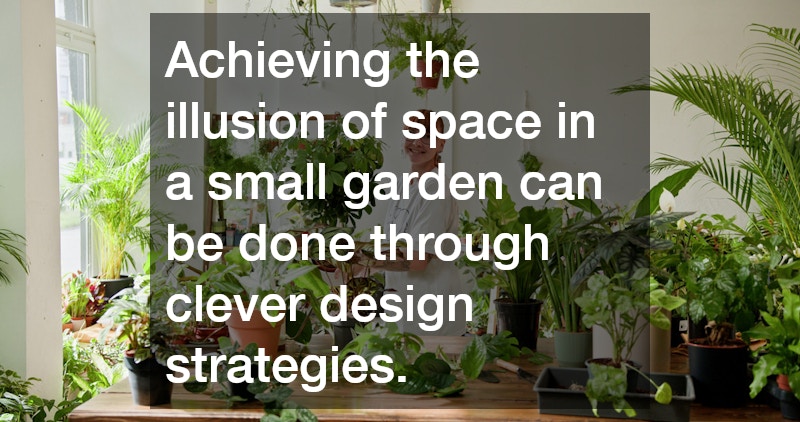
Achieving the illusion of space in a small garden can be done through clever design strategies and thoughtful layouts. One of the most effective techniques is using perspective and sightlines to draw the eye along longer trajectories, making the garden appear more expansive. Incorporating winding paths rather than straight lines encourages a journey through the space, creating a sense of depth. Layered planting with varying heights and textures can give the illusion of space, as each layer adds dimension. Carefully positioning elements like mirrors can reflect parts of the garden, further increasing its visual depth and expansive feel.
By applying these strategies, your small garden can become a thriving space that meets your aesthetic and practical needs. With careful planning and creativity, even the tiniest garden can flourish. A focus on efficient gardening methods allows for the maximum use of space and resources, ensuring sustainability and beauty. By creatively utilizing both horizontal and vertical spaces, selecting appropriate plant varieties, and maintaining soil health, a small garden can become a vibrant retreat. Let your small garden reflect your personality and vision, transforming it into a cherished oasis for relaxation and inspiration.