
Watching our parents grow older is a profound life transition that presents unique emotional, logistical, and physical challenges for the entire family. Most older adults express a strong preference to age in place, choosing to remain in the familiar comfort of their own homes rather than transitioning to institutional care facilities. However, family members frequently struggle to balance the demands of full-time careers and personal lives with the increasingly complex needs of their aging relatives.
The core challenge of supporting an aging parent at home is moving away from reactive crisis management toward a proactive, structured framework. Waiting for a catastrophic fall or a medical emergency to dictate your care strategy leads to rushed decisions, elevated stress, and fragmented assistance. By taking a thoughtful, multi-dimensional approach to eldercare, you can create a safe, supportive domestic environment that preserves your parent’s autonomy, dignity, and quality of life.
Achieving this balance requires an understanding of your parents’ functional health, physical mobility, cognitive well-being, and legal protections. This comprehensive guide delivers an in-depth roadmap designed to help you assess daily needs, build reliable care networks, utilize regional resources, organize essential future documentation, and enhance sensory wellness.
Assessing Daily Functional Needs and Layering Initial Professional Assistance
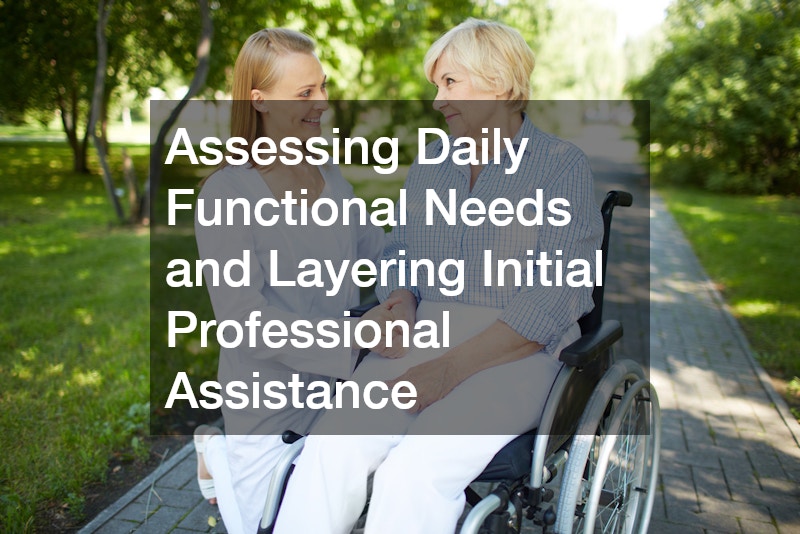
The first step in effectively supporting an aging parent at home is establishing an accurate baseline of their daily capabilities and limitations. In gerontology, this is accomplished by evaluating the Activities of Daily Living and the Instrumental Activities of Daily Living. These categories encompass essential tasks such as bathing, grooming, dressing, and using the restroom, alongside more complex skills like managing medications, preparing nutritious meals, driving, and handling household finances.
When conducting this assessment, it is vital to approach the topic with immense empathy and respect. Many seniors view any inquiry into their daily independence as an existential threat to their freedom, which can trigger defensiveness or a tendency to hide their struggles. Instead of forcing a clinical interview, observe your parent’s routines over a multi-day visit, looking for subtle warning signs such as expired food in the refrigerator, unexplained bruises, weight loss, uncollected mail, or missed doctor appointments.
Once specific vulnerabilities are identified, outside help should be introduced gradually to prevent overwhelming your parent. Beginning by outsourcing minor, non-invasive tasks to a professional home care service is an excellent way to ease them into accepting outside support. Having a professional visit a few hours a week to manage light housekeeping, laundry, and meal preparation establishes a comfortable routine, allowing your parent to build trust with outside help before more personal physical care becomes a necessity.
Simultaneously, you must actively address the psychological impacts of aging, particularly senior isolation and loneliness. Clinical research demonstrates a profound link between prolonged isolation and accelerated cognitive decline, depression, and weakened immune function. To combat this, incorporating structured companion care into their weekly schedule is highly beneficial. Having a dedicated professional engage your parent in meaningful conversation, assist with cherished hobbies, and accompany them on gentle neighborhood walks provides vital mental stimulation and emotional support, keeping them connected and alert.
To ensure this initial phase of care is successful, consider implementing these practical steps:
- Involve your parent in the selection process, allowing them to interview candidates and voice their preferences regarding schedules and personality types.
- Frame the introduction of outside help as a service designed to assist you, the adult child, rather than an intervention forced upon them.
- Install smart medication pillboxes that utilize auditory and visual reminders to help your parent maintain their independence with dosing.
- Gradually scale the hours of service as your parent’s comfort level grows, ensuring they never feel like their privacy is being invaded.
Selecting, Vetting, and Managing Long-Term Daily Care Networks
As an aging parent’s physical or cognitive needs progress, relying solely on family members or casual check-ins becomes unsustainable. To prevent primary family caregiver burnout and maintain a healthy family dynamic, you must transition toward a formalized, long-term care network. Building this network requires a careful evaluation of the legal, financial, and logistical differences between utilizing direct-hire individuals and working with an established home care agency.
While hiring independent aides privately may seem cost-effective initially, it introduces significant administrative burdens and legal liabilities for the family. When you hire an independent worker, you become an employer, making you responsible for verifying background checks, managing payroll taxes, and securing workers’ compensation insurance. Conversely, utilizing an agency ensures that all caregivers entering the home are fully vetted, bonded, insured, and backed by a robust scheduling system that guarantees immediate backup coverage if a primary aide falls ill.
Managing an expanded care team requires absolute organizational clarity to ensure consistency of care. You must establish a detailed daily care manifest kept prominently in the home, outlining exact medical histories, comprehensive dietary restrictions, physical therapy exercises, and emergency contact protocols. This clear documentation ensures that any professional stepping into the home can deliver seamless, high-quality care without confusion.
For families navigating progressive cognitive conditions like Alzheimer’s disease or vascular dementia, the care strategy must be dynamically tailored to handle behavioral shifts and memory loss. Scaling a dedicated senior care service that specializes in memory care ensures that your parent is supported by individuals trained in validation therapy, de-escalation techniques, and wandering prevention. These specialized professionals understand how to maintain a calm, highly structured environment that minimizes agitation and maximizes your parent’s daily sense of security.
Navigating Regional Resources and Enhancing In-Home Infrastructure
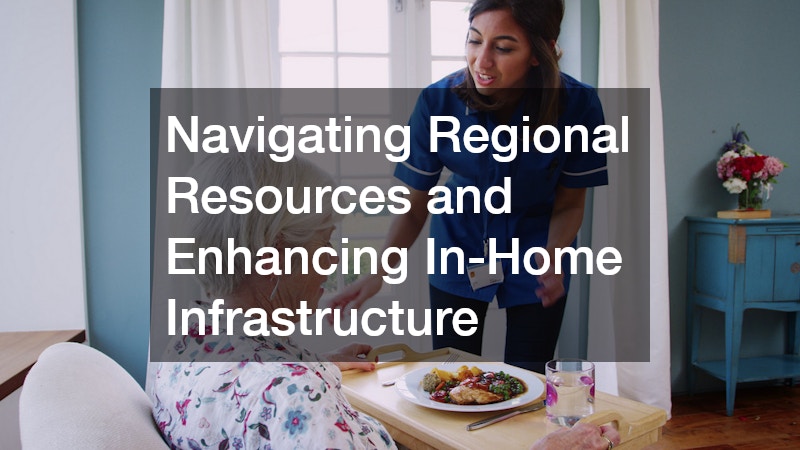
Supporting an elderly parent successfully is rarely a solo endeavor; it requires connecting your household with broader regional support networks and optimization of the physical living environment. A home that was perfectly functional for a vibrant adult can quickly transform into a labyrinth of safety hazards for a senior experiencing diminished balance, reduced vision, or restricted mobility.
The absolute priority for home modification is preventing accidental falls, which represent the leading cause of injury and loss of independence among seniors. You must perform a rigorous home safety audit, focusing on the elimination of common hazards. This includes removing all unsecured throw rugs, securing loose electrical cords, installing dual handrails on all staircases, and placing non-slip mats and heavy-duty grab bars in bathrooms. Additionally, upgrading your light fixtures to include bright, motion-activated LED bulbs along pathways and hallways can significantly reduce the risk of nighttime falls.
Beyond physical modifications, you should tap into the wide array of localized community aid programs designed to support aging in place. Many county governments and non-profit organizations offer subsidized programs, including hot meal deliveries, senior center socialization events, and specialized non-emergency medical transportation services. Accessing a centralized registry to identify vetted local senior care professionals allows you to navigate these regional offerings efficiently, ensuring you take advantage of any available county grants or specialized senior wellness programs.
To optimize the coordination of this care, you can merge modern technology with traditional support. Integrating remote monitoring tools alongside professional home care services allows you to maintain continuous oversight without compromising your parent’s privacy. Consider these technological and regional integrations:
- Install wireless personal emergency response systems that can detect falls automatically and alert emergency services instantly.
- Utilize automated video doorbells to monitor who is entering and exiting the home, protecting your parent from potential financial scams.
- Connect with local Area Agencies on Aging to receive a free, professional case management consultation to identify hidden community benefits.
- Implement smart thermostats that allow you to monitor and adjust the home’s climate remotely, ensuring your parent remains perfectly comfortable during extreme weather seasons.
Organizing Critical Legal and Future Financial Protections

While physical care and home safety are immediate priorities, long-term advocacy for an aging parent requires a comprehensive review of their legal and financial structures. Too often, families delay these critical conversations until a medical crisis, such as a severe stroke or advanced cognitive decline, deprives a parent of their legal capacity to execute documents, leaving the family in a complex administrative gridlock.
Securing decision-making authority early is a compassionate act that ensures your parent’s specific wishes are legally honored. You must work with your parent to establish a durable power of attorney for financial matters and a comprehensive healthcare proxy. These documents designate trusted individuals to manage bank accounts, pay bills, and make critical medical decisions if your parent becomes temporarily or permanently incapacitated. Furthermore, creating a detailed living will allows your parent to articulate their explicit choices regarding life-sustaining treatments and end-of-life care, removing immense emotional burdens from the family during a crisis.
To navigate the complex legal landscape surrounding aging, it is highly recommended to seek professional counsel. Consulting a specialized estate planning law firm allows you to draft ironclad trusts and advanced directives that shield family generational assets, structure funding for independent care, and navigate the intricate multi-year look-back periods associated with long-term Medicaid eligibility.
Simultaneously, you should structure asset transitions to minimize future administrative stress for your beneficiaries. Working with an experienced probate lawyer ensures that real estate deeds, bank accounts, investment portfolios, and final beneficiary designations are properly aligned with your parents’ estate plan. Taking this proactive approach prevents your family from facing lengthy, expensive judicial delays in court down the line, ensuring that resources can be deployed immediately to support your parents’ ongoing comfort.
Enhancing Physical Mobility and Sensory Wellness

The physical ability to move safely and communicate clearly are foundational components of a senior’s mental health, independence, and overall happiness. As individuals age, a sedentary lifestyle can lead to rapid muscle wasting, stiffened joints, and a degraded gait, which drastically increases the risk of falls. Conversely, incorporating gentle, low-impact exercise routines, such as chair yoga or water aerobics, directly into their weekly schedule helps preserve essential core strength and balance.
To address chronic age-related pain and musculoskeletal alignment issues, conventional pharmaceutical treatments are not your only option. Relying exclusively on heavy prescription narcotics often introduces severe side effects, such as dizziness and confusion, which further jeopardize a senior’s balance. Integrating specialized senior chiropractic care into their healthcare routine offers a safe, non-invasive therapeutic path to alleviate spinal stiffness, improve joint mobility, and naturally optimize neural tracking, allowing your parent to move with greater fluid ease through their daily tasks.
Equally critical to aging in place successfully is the aggressive preservation of sensory wellness, particularly hearing and vision. Untreated age-related hearing loss is far more than a minor inconvenience; it is a major medical concern that directly contributes to cognitive decline. When a senior cannot follow conversations, they frequently withdraw from social interactions, leading to profound emotional isolation, depression, and accelerated mental fatigue as the brain constantly overwrites missing auditory data.
To keep your parent fully engaged, safe, and connected to their environment, you must make comprehensive audiology tracking a standard part of their annual medical routine. Securing professional hearing aid services ensures that your parent is fitted with modern, accurately calibrated assistive devices that filter out confusing background noise and restore clear lines of communication. Keeping their sensory inputs optimized allows your parent to safely interpret environmental cues, participate effortlessly in family dynamics, and enjoy a vibrant life at home.
Conclusion
Supporting aging parents at home is an evolving, deeply rewarding journey that relies on a harmonious blend of environmental optimization, professional care coordination, and forward-looking legal preparation. By taking a proactive approach—assessing functional needs early, building reliable caregiver networks, leveraging community programs, and prioritizing sensory wellness—you can orchestrate an expansive, supportive ecosystem that honors your parent’s desire for independence. True advocacy does not mean attempting to shoulder the entire burden of care alone; it means serving as an effective manager who brings together family, community, and professional resources to ensure your parent’s final years are defined by security, comfort, and profound dignity.
Take the first step this week by engaging your parents in an open, loving conversation about their future wishes, and begin building the foundational support structure they deserve. Remember that this journey is not just about meeting their physical needs but also about nurturing their emotional and social well-being. By fostering strong connections and encouraging their involvement in decision-making, you can empower your parents, helping them feel valued and respected throughout this time of transition.