
Key Takeaways
- Seal air leaks around doors and windows to reduce unnecessary heating and cooling costs.
- Adjust thermostat settings and maintain HVAC equipment to improve energy efficiency throughout the year.
- Fix plumbing leaks quickly and reduce unnecessary hot water use to control water and energy bills.
- Maintain appliances and use full loads when practical instead of replacing working equipment unnecessarily.
- Reduce food waste by planning meals, organizing groceries, and using older ingredients before they spoil.
- Address small home repairs early to prevent minor problems from turning into expensive damage.
- Review household expenses regularly to identify unusual increases and determine where future improvements could provide the most value.
Household expenses can add up quickly. Electricity, water, heating, cooling, groceries, cleaning supplies, repairs, and routine maintenance all take a share of the monthly budget. While some costs are unavoidable, small changes around the home can help reduce unnecessary spending.
You do not always need an expensive renovation to lower household costs. Simple improvements such as sealing air leaks, using less water, maintaining appliances, and reducing waste can make a difference over time. Many of these changes are affordable and can be completed gradually.
The key is to focus on expenses you can control. Review where your household uses the most energy, water, and supplies. Then look for practical ways to reduce waste without making daily life uncomfortable.
Here are simple home changes that can help lower recurring expenses and make your household budget easier to manage.
1. Seal Air Leaks Around Doors and Windows
Small gaps around doors and windows can allow conditioned indoor air to escape while outdoor air enters. Your heating or cooling system may then need to work harder to maintain a comfortable temperature.
Check around window frames, exterior doors, and other openings for noticeable drafts. Depending on the location and material, weatherstripping or appropriate caulk may help seal certain gaps.
Common places to inspect include:
- Exterior doors
- Window frames
- Attic access points
- Openings around pipes
- Gaps around exterior penetrations
Not every gap should be sealed without understanding its purpose. Some parts of a home require ventilation or drainage, so use products designed for the specific application.
Improving the building envelope can make rooms more comfortable while reducing unnecessary heating and cooling loss.
2. Adjust the Thermostat Carefully
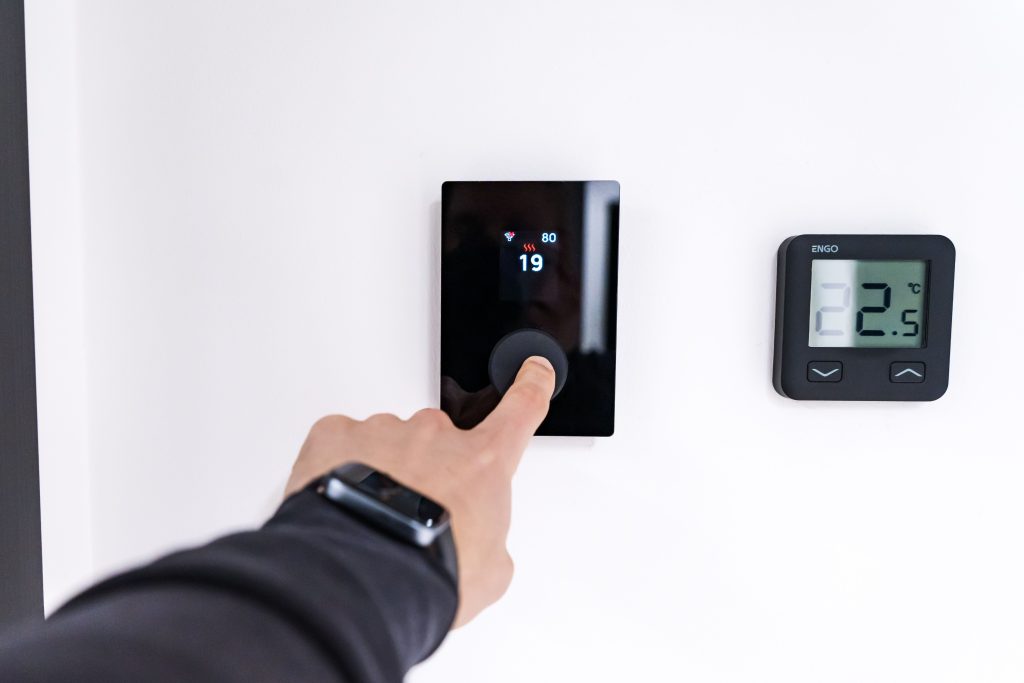
Heating and cooling can represent a major part of household energy use. Small thermostat adjustments may help reduce energy consumption without requiring a major home improvement project.
Avoid making rooms much warmer or cooler than necessary. Choose comfortable settings based on the season, household needs, and whether anyone is home.
You can also:
- Adjust temperatures when appropriate
- Use scheduled thermostat settings
- Avoid unnecessary extreme settings
- Keep vents and registers unobstructed
- Maintain heating and cooling equipment
A programmable or smart thermostat may make temperature changes easier to manage. However, the amount saved depends on climate, equipment, home insulation, and household habits.
Comfort and safety should always come first, especially for older adults, young children, pets, and people with temperature-sensitive health needs.
3. Switch Frequently Used Lights to LEDs
Lighting is an easy area where homeowners can make gradual improvements. LED bulbs generally use less electricity than traditional incandescent bulbs and typically last longer.
You do not have to replace every working bulb immediately. Start with fixtures that are used for several hours each day.
Prioritize areas such as:
- Kitchens
- Living rooms
- Hallways
- Home offices
- Exterior lights
Choose bulbs with appropriate brightness, color temperature, fixture compatibility, and dimmer compatibility when needed.
Also develop the simple habit of turning lights off when a room is not being used. While one light may not seem significant, reducing unnecessary use across the entire home can support lower energy consumption.
4. Reduce Standby Electricity Use
Some electronics continue using electricity even when they are not actively being used. The amount varies by device, but several items operating continuously can add to household energy consumption.
Start by identifying electronics that remain plugged in even though you use them only occasionally.
Examples may include:
- Entertainment equipment
- Game systems
- Chargers
- Small kitchen appliances
- Office electronics
Smart power strips can help control groups of electronics in certain situations. You can also unplug devices that are safe and practical to disconnect.
Do not unplug essential equipment or devices that need continuous power. The goal is to reduce unnecessary consumption rather than create inconvenience or interfere with important household systems.
5. Fix Water Leaks Quickly
A dripping faucet or leaking toilet can waste water and increase utility costs. Small plumbing problems may also become more expensive if they are ignored.
Pay attention to unusual sounds, moisture, water stains, or unexpected increases in water use. Inspect visible plumbing periodically for signs of leakage.
Check areas such as:
- Under sinks
- Around toilets
- Near water heaters
- Appliance supply lines
- Outdoor faucets
Some simple repairs may be suitable for experienced homeowners, but significant leaks or hidden plumbing problems should be handled by a qualified professional.
Addressing water leaks quickly can reduce waste while helping prevent moisture damage that could lead to much larger repair expenses.
6. Use Less Hot Water
Heating water requires energy, so reducing unnecessary hot water use can help lower household expenses.
Simple habits can make a difference. Run full loads in the dishwasher and washing machine when appropriate, repair leaking hot-water faucets, and avoid using more hot water than necessary.
Consider habits such as:
- Taking reasonably timed showers
- Washing suitable laundry in cooler water
- Running full appliance loads
- Fixing hot-water leaks
- Using efficient fixtures
Low-flow showerheads and faucet aerators may reduce water use while still providing adequate performance when properly selected.
If you adjust water-heater settings, follow manufacturer guidance and safety recommendations. Setting temperatures incorrectly can create safety or sanitation concerns.
7. Maintain Heating and Cooling Equipment
Heating and cooling systems may operate less effectively when they are dirty, damaged, or poorly maintained.
Follow manufacturer recommendations for filter replacement or cleaning. Keep outdoor equipment clear of leaves and debris, and schedule professional service when appropriate for your system.
Basic maintenance may include:
- Checking filters
- Keeping vents clear
- Cleaning accessible areas
- Watching for unusual sounds
- Scheduling recommended service
Preventive care is an important part of annual household maintenance because identifying small equipment problems early may help homeowners avoid inefficient operation or more expensive repairs.
Do not open or repair HVAC components that require professional training. Routine homeowner care should focus on safe, accessible tasks.
8. Make Appliances Work More Efficiently
Replacing every appliance with a newer model is rarely the cheapest way to reduce household expenses. Instead, maintain existing appliances and use them efficiently while they remain in good working condition.
A refrigerator, dishwasher, washer, and dryer can all become more expensive to operate when they are poorly maintained or used inefficiently.
Simple habits include:
- Running full loads when appropriate
- Cleaning filters and accessible vents
- Using energy-saving settings
- Following manufacturer maintenance instructions
- Repairing problems before they worsen
When an appliance eventually needs replacement, compare both purchase price and expected operating costs.
The cheapest model at the store is not always the least expensive option over several years of use.
9. Reduce Food Waste in the Kitchen
Reducing household expenses is not limited to utility bills. Food waste can quietly take a significant amount of money out of the monthly budget.
Organize the refrigerator and pantry so older food remains visible. Before grocery shopping, check what you already have and plan meals around ingredients that need to be used soon.
Try these habits:
- Plan meals before shopping
- Store food properly
- Keep leftovers visible
- Use older ingredients first
- Freeze suitable foods before they spoil
Labeling leftovers with dates can make them easier to track. A simple “eat first” section in the refrigerator can also prevent forgotten food from being pushed to the back.
Buying more than your household can realistically eat is not a bargain, even when the price per item is lower.
10. Buy Reusable Cleaning Tools
Disposable cleaning products can be convenient, but repeatedly replacing them can increase household spending.
For suitable tasks, reusable microfiber cloths, washable mop pads, and durable cleaning brushes may reduce the number of disposable products you purchase.
Consider reusable options such as:
- Microfiber cloths
- Washable mop pads
- Refillable containers
- Durable scrub brushes
- Reusable dusting tools
Wash and maintain reusable products properly so they remain hygienic and effective.
Avoid making homemade cleaning mixtures without understanding chemical compatibility. Never combine cleaning chemicals unless the product labels specifically indicate that doing so is safe.
11. Prevent Small Repairs From Becoming Expensive
Ignoring minor home problems can turn relatively simple repairs into larger projects. A small roof leak can damage ceilings, insulation, and walls. A loose piece of siding may allow additional weather damage.
Walk through the home periodically and look for changes that may need attention.
Watch for:
- Water stains
- Cracked sealant
- Loose hardware
- Damaged roofing materials
- Slow drains
- Unusual appliance behavior
Create a small repair budget so routine problems do not automatically become financial emergencies.
When a problem requires specialized knowledge, hiring a qualified professional early may be cheaper than waiting until the damage spreads.
12. Reduce Laundry Costs
Laundry requires water, electricity, detergent, and sometimes natural gas. Small changes to your laundry routine can reduce some of these costs.
Run appropriately full loads rather than frequently washing only a few items. Use the correct amount of detergent instead of assuming that more soap provides better cleaning.
To manage laundry costs:
- Wash full loads when practical
- Use suitable cooler-water settings
- Measure detergent correctly
- Clean the dryer lint filter
- Air-dry suitable items when practical
Avoid overloading appliances because clothes may not clean or dry properly.
If you use a dryer, maintaining proper airflow is also important for performance and safety. Follow manufacturer instructions for vent and lint maintenance.
13. Simplify Backyard Maintenance
Outdoor areas can create recurring expenses through watering, mowing, fertilizing, landscaping, and equipment maintenance.
Consider whether every section of lawn or every garden bed is useful. Reducing difficult-to-maintain spaces may lower both costs and workload.
Some hassle-free backyard ideas include using mulch in suitable planting beds, choosing plants adapted to local conditions, grouping plants with similar water needs, and creating practical paths through frequently used areas.
Other ways to control outdoor costs include:
- Repairing irrigation leaks
- Reducing unused lawn
- Using suitable native or adapted plants
- Applying mulch correctly
- Maintaining tools
Avoid replacing the entire landscape simply to save money. Start with areas that consume the most water, time, or supplies and improve them gradually.
14. Use Curtains and Shades Strategically
Window coverings can do more than provide privacy. They can also help manage heat gain and heat loss when used effectively.
During hot sunny periods, closing appropriate shades or curtains may reduce unwanted solar heat in certain rooms. During cooler conditions, window coverings can provide another layer between the room and window.
Consider:
- Thermal curtains
- Cellular shades
- Exterior shading where suitable
- Closing coverings during intense sun
- Opening them when useful solar warmth is desired
Window coverings are not a replacement for proper insulation or efficient windows, but they can be a relatively affordable improvement.
Adjust how you use them according to the season, climate, window direction, and time of day.
15. Create a Monthly Home Expense Review
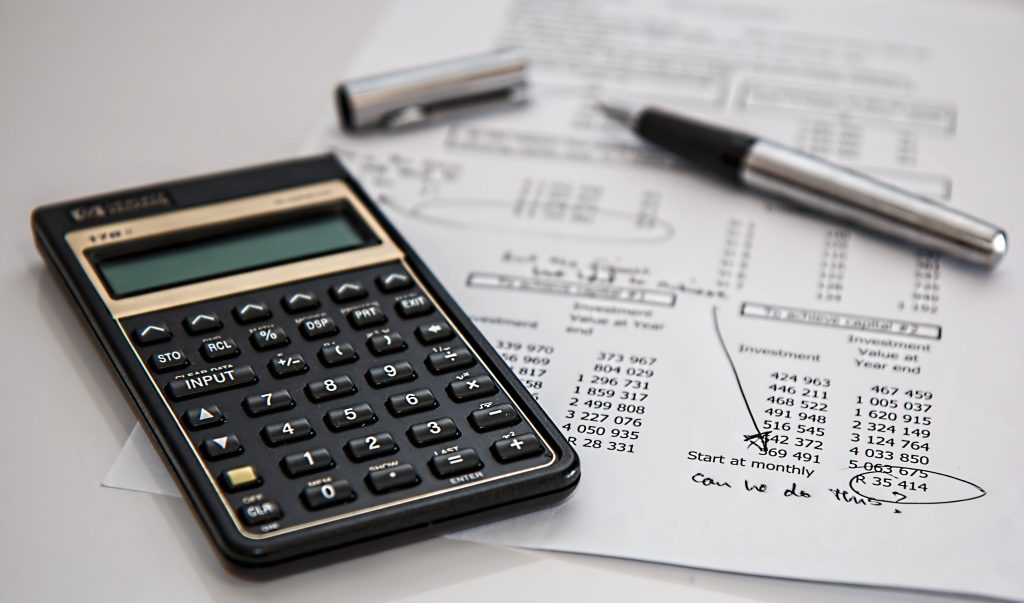
Home improvements can reduce expenses, but you need a way to see whether your changes are actually helping.
Review electricity, water, heating, and other household bills each month. Compare usage when possible instead of looking only at the dollar amount, since utility rates may change.
Track categories such as:
- Electricity
- Water
- Heating fuel
- Groceries
- Cleaning supplies
- Home repairs
Look for unusual increases and investigate possible causes. A sudden jump in water consumption, for example, might indicate a leak.
Tracking expenses also helps identify which home improvements should come next. If cooling costs remain high, improving insulation or sealing air leaks may deserve more attention than replacing a working appliance.
Make Small Changes That Add Up
Reducing household expenses does not require changing everything at once. Start with simple improvements that address the areas where your household wastes the most energy, water, food, or supplies.
Seal obvious air leaks, maintain important equipment, repair plumbing problems, reduce food waste, and use appliances efficiently. These changes may seem small individually, but consistent habits can add up over months and years.
Focus first on:
- Preventing wasted energy
- Reducing unnecessary water use
- Maintaining appliances and home systems
- Preventing expensive damage
- Buying only what your household needs
- Tracking recurring expenses
Avoid spending large amounts on upgrades simply because they are marketed as money-saving solutions. Compare the upfront cost with realistic long-term savings and consider whether your existing equipment still works efficiently.
A more affordable home is often the result of regular maintenance and thoughtful everyday choices. By making practical changes gradually, homeowners can control recurring costs while keeping their homes comfortable, functional, and easier to manage.