Keeping your valuables safe isn’t just about locking them away—it’s about creating a system that protects them from damage, loss, and environmental wear over time. From important documents and heirlooms to electronics and seasonal items, valuable belongings require thoughtful storage solutions tailored to their specific needs. Without proper planning, even the most secure items can be exposed to risks like moisture, temperature fluctuations, or simple misplacement.
Strategic In-Home Storage Solutions for Everyday Protection
Safes and Lockboxes
For high-value and sensitive items, safes and lockboxes provide a strong first line of defense. Fireproof and waterproof safes are especially useful for storing documents such as passports, legal papers, and financial records.
Jewelry, cash, and small electronics can also be kept secure in these units.
Choosing between a portable safe and a bolted option depends on your priorities. Portable safes offer flexibility, while bolted safes provide enhanced protection against theft. Placement is equally important—installing a safe in a discreet but accessible location helps maintain both convenience and security.
Smart Organization Systems
Disorganization is one of the most common reasons valuables get lost or damaged. Creating a structured storage system allows you to keep track of items and reduces unnecessary handling. Dividers, labeled containers, and protective cases make it easier to separate fragile or high-value belongings from everyday items.
Maintaining a simple inventory—either digitally or on paper—can also be valuable. Knowing exactly what you have and where it’s stored minimizes confusion and ensures nothing is overlooked during moves or reorganizations.
Environmental Controls Inside the Home
Environmental factors play a major role in preserving valuables. Excess humidity can lead to mold and corrosion, while extreme temperatures can damage electronics, artwork, and certain materials. Managing these conditions is essential for long-term protection.
Simple solutions like dehumidifiers, silica gel packs, and proper ventilation can go a long way. For items particularly sensitive to environmental changes, storing them in interior spaces rather than attics or basements can help maintain more stable conditions.
Using Storage Units for Added Security and Space
When to Consider Off-Site Storage
There are times when in-home storage simply isn’t enough. Situations like moving, downsizing, or home renovations often require temporary or long-term off-site solutions. Storage units provide additional space while helping reduce clutter in your primary living areas.
Off-site storage can also be a practical option for items you don’t use regularly but still want to preserve. By relocating these belongings, you can better organize your home while keeping valuables protected.
Choosing the Right Storage Unit
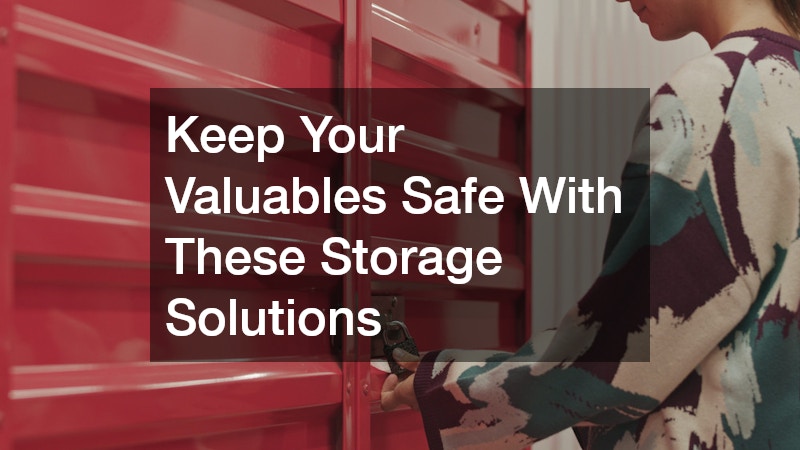
Not all storage units offer the same level of protection, so it’s important to evaluate your options carefully. Security features such as gated access, surveillance systems, and on-site management should be a priority. These elements help ensure that your belongings remain safe from unauthorized access.
For items sensitive to environmental changes, temperature controlled storage units are a smart choice. They help regulate heat and humidity, making them ideal for storing electronics, wooden furniture, artwork, and important documents. Selecting the right unit size is also key—overcrowding can lead to damage and make items difficult to access.
Packing and Protecting Items in Storage
Proper packing is essential when using a storage unit. Durable boxes, bubble wrap, and protective covers help shield items from dust and physical damage. Fragile belongings should be clearly labeled and placed in secure positions to prevent shifting.
Elevating items off the ground using pallets or shelving adds another layer of protection, especially against potential moisture. Organizing the unit with accessibility in mind—such as placing frequently used items near the front—reduces the need to move things around unnecessarily.
Advanced Protection Strategies for High-Value Items
Insurance and Documentation
Even with the best storage practices, having insurance coverage provides an extra layer of security. Homeowner’s or renter’s insurance policies may cover certain valuables, but high-value items often require additional riders. Reviewing your policy ensures you understand what is and isn’t protected.
Documentation is equally important. Keeping receipts, photos, and appraisals creates a record that can be invaluable in the event of loss or damage. Storing these records digitally adds an extra level of protection.
Long-Term Preservation Techniques
For items in long-term storage, preservation techniques become increasingly important. Periodically checking stored belongings helps identify issues like moisture buildup, pest activity, or material degradation before they worsen.
Using archival-quality materials, such as acid-free boxes and protective sleeves, is particularly beneficial for documents, photographs, and collectibles. Rotating items—bringing them out for occasional inspection or use—can also help maintain their condition over time.
Protecting your valuables requires more than a single solution. It’s a combination of thoughtful organization, secure storage, and environmental control that ensures long-term safety. By investing in both in-home systems and reliable off-site options, you can significantly reduce the risk of damage or loss.
With the right approach, safeguarding your belongings becomes a manageable and cost-effective process. Whether you’re storing everyday items or irreplaceable heirlooms, a layered storage strategy ensures your valuables remain protected, organized, and ready when you need them.