Managing a home for a large family requires a different mindset than optimizing a space for one or two people. More people means more belongings, more wear and tear, higher utility demands, and a greater need for systems that work reliably every day. Without intentional planning, even a well-built home can begin to feel cramped, inefficient, and stressful.
Optimizing a large family home is not about luxury upgrades or cosmetic improvements. It is about creating functional spaces that support daily routines, reduce friction, and adapt to changing needs over time. Storage, maintenance, and smart remodeling decisions play a critical role in keeping the household running smoothly.
Families with multiple children often face unique challenges, such as limited storage, overcrowded common areas, and increased maintenance demands. Each system in the home—HVAC, roofing, plumbing, and electrical—works harder when more people rely on it. Ignoring these realities can lead to higher costs and avoidable disruptions.
The goal of home optimization is to make your space work for you, not against you. Strategic updates can improve organization, energy efficiency, and durability while reducing long-term repair expenses. These improvements also enhance comfort, safety, and overall quality of life for everyone under the same roof.
Professional services often play an essential role in these upgrades. Whether you are working with contractors, remodelers, or maintenance professionals, knowing where to invest makes decision-making easier and more cost-effective. The right partnerships help ensure that improvements are done correctly and built to last.
Large families also benefit from flexible spaces that can serve multiple purposes. Rooms that adapt to changing ages, schedules, and activities provide long-term value and reduce the need for constant renovations. Smart design choices today can prevent major overhauls later.
This guide focuses on practical, high-impact ways to optimize your home for a large family. From storage solutions to system maintenance and remodeling projects, each section addresses real-world challenges families face every day.
By approaching home optimization strategically, you can create a living environment that supports your family’s growth while preserving the integrity and value of your home.
Optimizing Your Storage

Storage is often the first major pain point in large family homes. Clothing, toys, school supplies, sports equipment, and seasonal items accumulate quickly, and without a system, clutter becomes unavoidable. Effective storage solutions create order and reduce daily stress.
A practical starting point is utilizing storage containers that are durable, clearly labeled, and stackable. Transparent containers allow family members to quickly identify contents, while uniform sizing helps maximize shelf and closet space. This approach makes it easier to maintain organization over time.
Vertical storage is another overlooked opportunity. Wall-mounted shelving, overhead garage racks, and tall cabinets make use of unused vertical space. This is especially helpful in shared areas where floor space needs to remain open and accessible.
Closet optimization also plays a key role. Adjustable shelving systems and double-hang rods allow closets to evolve as children grow. Reconfigurable layouts help ensure that storage keeps pace with changing needs without requiring frequent replacements.
Mudrooms and entryways benefit greatly from intentional storage design. Cubbies, hooks, and benches provide designated spaces for shoes, backpacks, and coats. This keeps high-traffic areas tidy and prevents clutter from spreading throughout the home.
When storage systems are intuitive and accessible, children are more likely to participate in maintaining order. This shared responsibility reduces cleanup time and helps instill organizational habits that benefit the entire household.
Remodeling Your Basement
Basements offer significant untapped potential for large families. When properly remodeled, they can provide additional living space without expanding the home’s footprint. This makes basement projects one of the most cost-effective ways to increase usable square footage.
Working with local basement remodeling services ensures that renovations comply with building codes and address moisture control, insulation, and safety requirements. These considerations are critical for creating a comfortable and long-lasting space.
Finished basements can serve multiple functions, such as playrooms, homework areas, guest suites, or media rooms. Zoning the space into distinct areas helps accommodate different activities simultaneously without conflict.
Soundproofing is particularly valuable in basement renovations. Acoustic insulation allows children to play or watch television without disrupting quieter activities elsewhere in the home. This separation improves overall household harmony.
Basement storage solutions also contribute to optimization. Built-in shelving and hidden storage areas provide space for bulk items, seasonal decorations, and rarely used belongings without cluttering main living areas.
A thoughtfully remodeled basement increases both functionality and home value. For large families, it offers breathing room that supports evolving needs over time.
Maintaining Your HVAC System
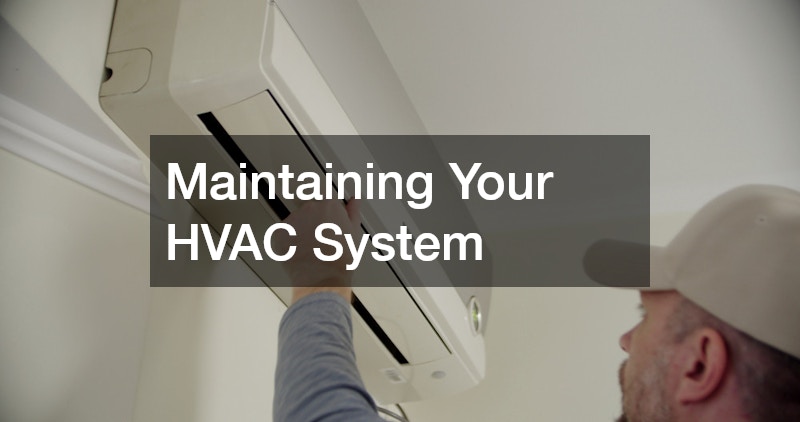
Heating and cooling systems work significantly harder in large households. Frequent use, varying comfort preferences, and constant activity place increased demands on HVAC equipment. Regular maintenance is essential to ensure reliability and efficiency.
Partnering with experienced HVAC contractors helps identify potential issues before they escalate into costly repairs. Routine inspections, filter replacements, and system tune-ups extend equipment lifespan and improve performance.
Zoned HVAC systems are especially beneficial for large families. By allowing different areas of the home to be heated or cooled independently, zoning improves comfort while reducing energy waste.
Air quality is another critical consideration. High occupancy increases dust, allergens, and humidity levels. Proper ventilation and air filtration improve indoor air quality and contribute to a healthier living environment.
Smart thermostats can further enhance efficiency by adapting to daily schedules and usage patterns. These tools help manage energy consumption without sacrificing comfort.
Consistent HVAC maintenance reduces unexpected breakdowns and ensures that the home remains comfortable year-round, even during peak usage periods.
Maintaining Your Roof
The roof is one of the most important protective elements of any home. For large families, roof issues can quickly escalate due to the potential for widespread interior damage. Preventive maintenance is far more cost-effective than emergency repairs.
Working with a local residential roofing service ensures timely inspections and repairs tailored to regional weather conditions. Local professionals understand common challenges such as storm damage, temperature fluctuations, and material performance.
Regular roof inspections help identify minor issues like loose shingles or flashing problems before they compromise the structure. Early intervention prevents leaks that can damage ceilings, insulation, and electrical systems.
Gutter maintenance is also essential. Clogged gutters can cause water to back up under roofing materials, leading to moisture damage and mold growth. Keeping gutters clear protects both the roof and foundation.
Roof durability directly impacts household safety and comfort. A well-maintained roof contributes to energy efficiency by preventing heat loss and improving insulation performance.
By prioritizing roof maintenance, large families protect their investment and avoid disruptions caused by unexpected damage.
Maintaining Your Plumbing System
Plumbing systems experience heavy use in large households. Multiple bathrooms, frequent laundry cycles, and daily kitchen activity place constant strain on pipes and fixtures. Proactive care helps prevent failures and water damage.
Working with a qualified plumbing contractor ensures that inspections and repairs are completed correctly. Professionals can identify early signs of wear, corrosion, or pressure issues that may not be immediately visible.
Water-efficient fixtures can significantly reduce utility costs without sacrificing performance. Low-flow toilets, faucets, and showerheads help manage water consumption in busy households.
Drain maintenance is particularly important. Hair, soap residue, and food debris accumulate quickly when systems are used frequently. Regular cleaning prevents clogs and backups that disrupt daily routines.
Water heaters also require attention. Large families often need higher-capacity systems or tankless solutions to meet demand. Proper sizing and maintenance ensure consistent hot water availability.
A reliable plumbing system supports household efficiency and minimizes costly emergency repairs.
Maintaining Your Electrical System
Electrical systems must safely support increased appliance usage, electronics, and lighting in large family homes. Overloaded circuits and outdated wiring pose safety risks if not addressed proactively.
Partnering with local electrical contractors ensures compliance with safety codes and proper installation practices. Professionals can assess system capacity and recommend upgrades as needed.
Additional outlets and dedicated circuits help accommodate modern technology demands. This reduces reliance on extension cords and power strips, which can create hazards.
Lighting optimization improves both functionality and energy efficiency. LED fixtures provide long-lasting illumination while reducing electricity consumption.
Electrical panel upgrades may be necessary as household demands increase. A properly sized panel ensures safe operation and supports future improvements.
Routine inspections and timely upgrades protect the home and its occupants while supporting everyday convenience.
Repairing Your Home
Ongoing maintenance and timely home repairs are essential for preserving functionality in a large family household. Small issues can quickly escalate when systems are under constant use.
Creating a structured maintenance schedule helps prioritize repairs and prevent neglect. Addressing minor concerns early reduces long-term costs and inconvenience.
Common repair needs include door hardware, flooring wear, wall damage, and appliance maintenance. High-traffic areas benefit from durable materials that withstand frequent use.
Professional repair services ensure that fixes are completed efficiently and correctly. This minimizes downtime and prevents recurring issues.
Consistent attention to repairs keeps the home safe, functional, and comfortable for everyone.
Building a Deck
Outdoor living spaces provide valuable overflow areas for large families. A well-designed deck expands usable space for gatherings, meals, and recreational activities.
Working with an experienced deck builder ensures structural integrity and proper material selection. Durable materials reduce maintenance demands and extend the deck’s lifespan.
Deck design should account for safety, traffic flow, and flexibility. Features such as railings, built-in seating, and shaded areas enhance usability.
Outdoor spaces encourage family interaction and provide a change of scenery from indoor routines. This contributes to overall well-being.
A functional deck adds both lifestyle value and resale appeal to the home.
Working With Professional Cleaners

Maintaining cleanliness in a large household can be challenging. Time constraints and constant activity make it difficult to keep up with deep cleaning tasks.
Hiring a residential cleaning service provides consistent support and helps maintain a healthy living environment. Professional cleaners address areas that are often overlooked in daily routines.
Regular cleaning schedules reduce allergens, improve air quality, and preserve surfaces. This is especially beneficial in homes with children and pets.
Outsourcing cleaning tasks allows families to focus on work, school, and quality time together. It also reduces stress and burnout.
Professional cleaning services complement other home optimization efforts by maintaining results over time.
Remodeling Your Home
As families grow and needs change, remodeling becomes an important tool for long-term optimization. Strategic updates improve functionality without requiring relocation.
Working with a reputable home remodeling company ensures cohesive design and quality execution. Professionals help align layout changes with lifestyle needs.
Common remodeling projects include kitchen expansions, bathroom additions, and reconfigured living spaces. These updates improve efficiency and reduce congestion.
Remodeling also provides an opportunity to upgrade materials, improve energy efficiency, and modernize systems. These benefits extend beyond aesthetics.
Well-planned remodeling enhances daily life while increasing property value.
Optimizing a Large Family Home
Optimizing a home for a large family requires a holistic approach that balances functionality, durability, and adaptability. Each improvement contributes to a more efficient living environment.
Storage solutions create order and reduce daily friction. When belongings have designated spaces, routines become smoother and less stressful.
Maintenance of core systems ensures reliability and prevents costly disruptions. HVAC, roofing, plumbing, and electrical systems must be supported proactively.
Remodeling projects unlock additional space and improve flow. Basements, kitchens, and outdoor areas provide flexibility for evolving needs.
Professional services play a critical role in successful optimization. Skilled contractors and service providers ensure quality results and long-term value.
Cleaning and repair support help preserve improvements and maintain comfort. Consistency is key in high-use environments.
Ultimately, optimizing a large family home is an ongoing process rather than a one-time project. Needs change, and homes must adapt accordingly.
By investing thoughtfully and planning strategically, families can create spaces that support growth, comfort, and connection for years to come.
In addition to improving daily functionality, home optimization supports long-term financial stability. Preventive maintenance and strategic upgrades reduce the likelihood of major system failures that result in emergency expenses. When a home is cared for proactively, repair costs become more predictable and manageable, which is especially important for larger households operating on structured budgets.
Optimized homes also adapt more easily as family dynamics change. Children grow, schedules shift, and space requirements evolve over time. Flexible layouts, durable materials, and well-maintained systems make it easier to accommodate these transitions without constant renovations or relocations.
There is also a meaningful quality-of-life benefit to thoughtful home optimization. When systems work reliably and spaces are designed with purpose, daily routines feel less chaotic. This creates more time and energy for family interaction, rest, and shared experiences rather than ongoing problem-solving.
Ultimately, optimizing a home for a large family is an investment in both the property and the people who live in it. By prioritizing functionality, maintenance, and strategic improvements, families can create an environment that supports comfort, efficiency, and stability well into the future.